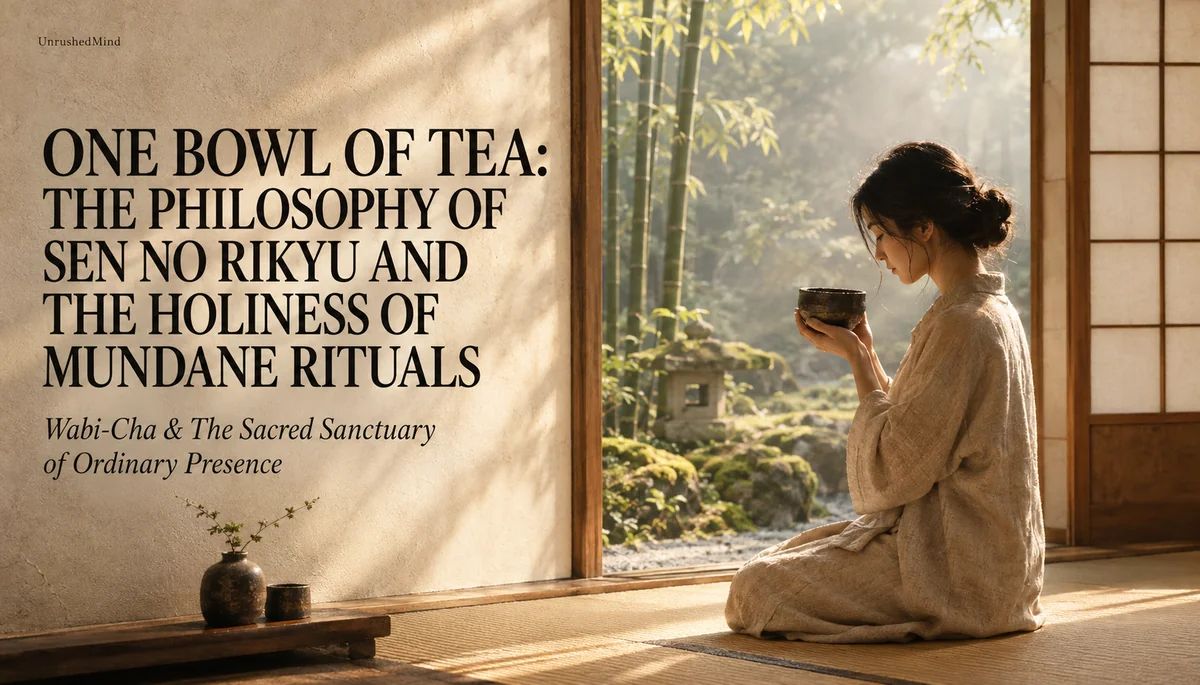
Have you ever stood in your kitchen, gulping down scorching coffee while your eyes anxiously scanned a deluge of unread emails? In our relentless modern rush, nourishment has been reduced to an involuntary biological refueling station. We consume calories between Zoom calls, scroll through feeds while chewing without tasting, and treat morning beverages as mere […]
Have you ever stood in your kitchen, gulping down scorching coffee while your eyes anxiously scanned a deluge of unread emails?
In our relentless modern rush, nourishment has been reduced to an involuntary biological refueling station.
We consume calories between Zoom calls, scroll through feeds while chewing without tasting, and treat morning beverages as mere chemical stimulants to survive the morning checklist.
Life begins to feel like a phantom existence, slipping between our fingers before we have even arrived to inhabit it.
We search for peace in distant retreats and elaborate weekend escapes, yet our weekdays remain hollow and frantic.
Sen no Rikyu, the legendary 16th-century Japanese tea master, offered a radical antidote to this pervasive inner poverty: everything you seek can be found inside a single bowl of tea.
The Wabi-Cha Revolution: Stripping Away the Illusion of Luxury
Sen no Rikyu’s wabi-cha philosophy was a spiritual rebellion against aristocratic excess, proving that true sanctity requires neither gilded vessels nor elaborate temples, but the unadorned presence of heating water, preparing tea, and drinking with wholehearted attention.
Before Rikyu transformed the Japanese tea ceremony (Chadō), tea was a status symbol reserved for warlords and nobility.
The ruling elite displayed dazzling Chinese celadon and gold-leafed utensils to intimidate guests with ostentatious wealth.
Rikyu walked into this grand theater of vanity and stripped away every unnecessary ornament.
He commissioned local potters to shape coarse, uneven clay bowls (Raku ware) and fashioned simple tea scoops from wild bamboo.
When a student asked him to reveal the deepest secret of the Way of Tea, Rikyu offered a deceptively simple truth:
“Tea is nothing other than this: heat water, make tea, and drink it. That is all you need to know.”
By lowering the entrance of the tea room so low that even samurai had to remove their swords and crawl inside as equals, Rikyu leveled all worldly pretensions.
He proved that the sacred does not dwell in rare treasures, but in the radical simplicity of being fully awake to the ordinary.
Ichigo Ichie: The Cosmic Gravity of This Single Moment
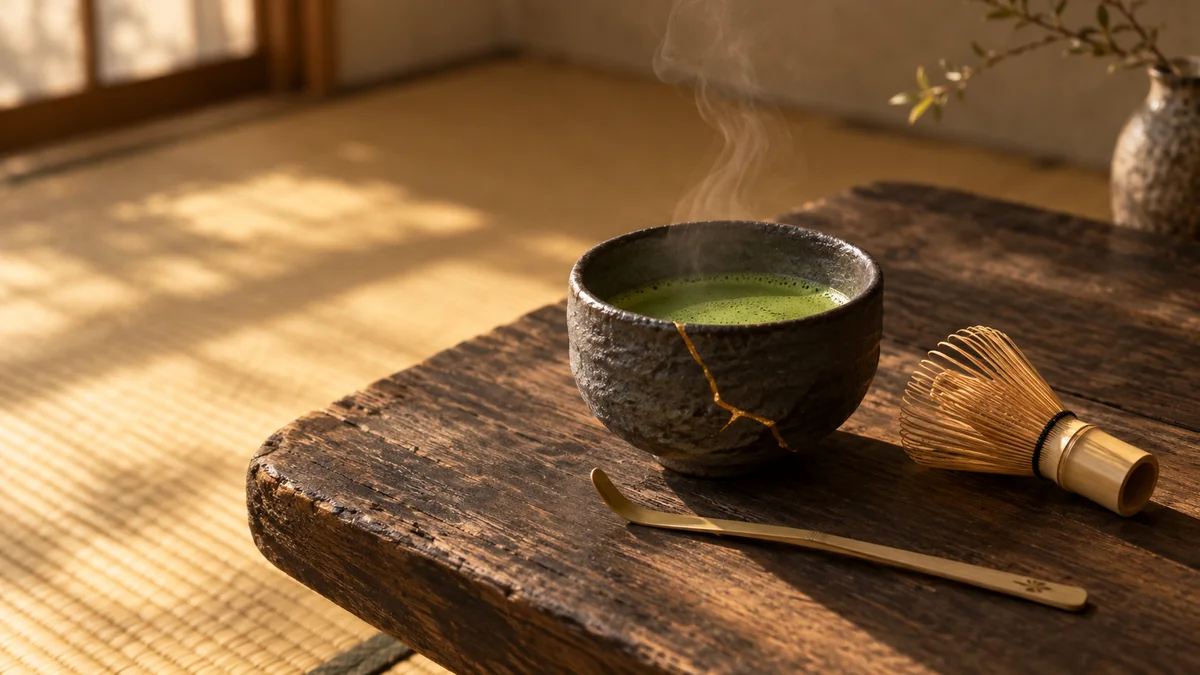
At the heart of Chadō lie four enduring principles: Wa (harmony with nature), Kei (reverence for all things), Sei (purity of intent), and Jaku (unshakable inner tranquility).
Underpinning these pillars is the profound Japanese concept of Ichigo Ichie (一期一会), loosely translated as “one time, one meeting.”
This teaching whispers that this exact encounter—this specific bowl of tea, this morning breeze, this ray of sunlight—will never happen again in the history of the cosmos.
Even if you sit at the same table tomorrow with the same teacup, your cells will have changed, the light will fall differently, and yesterday will be gone forever.
When you grasp the fragility of each passing second, casual indifference becomes impossible.
Every sip transforms from an automated habit into an irreplaceable appointment with existence itself.
| Daily Experience | The Predominant Mindset | The Somatic Truth |
|---|---|---|
| The Hurried Rush | Chugging caffeine on the go while staring at digital screens. | High cortisol, contracted throat, disembodied from physical reality. |
| The Mechanical Habit | Sipping warm liquid while mentally rehearsing afternoon arguments. | Distracted awareness, autopilot numbness, taste buds unengaged. |
| The Sacred Tea Ritual | Resting both hands on the bowl, observing steam, and tasting fully. | Regulated vagus nerve, relaxed shoulders, absolute present grounding. |
Notice how little external equipment is required to cross from mechanical hurry into sacred stillness.
You do not need a monastery or an antique tea pavilion to inhabit the grace of Ichigo Ichie.
The transformation occurs entirely within your willingness to stop treating the present moment as a mere stepping stone to the future.
The Secular Liturgy: Transforming Everyday Sips into Sanctuaries
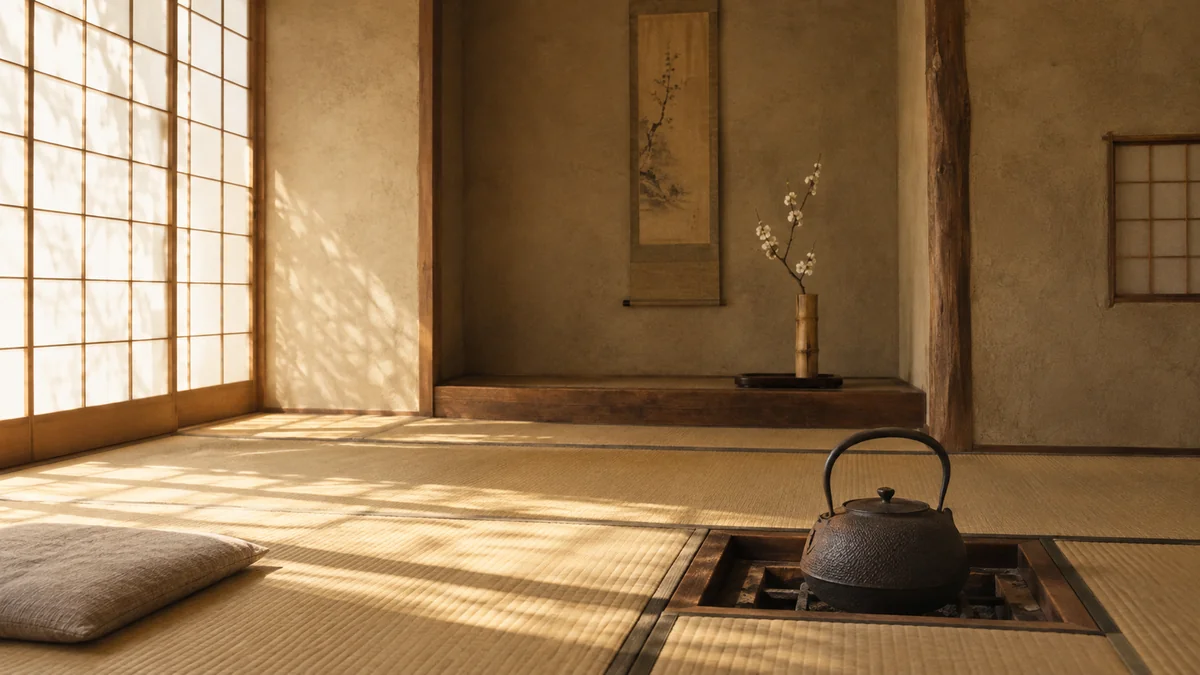
You can bring Sen no Rikyu’s wabi-cha into your apartment tomorrow morning without ever purchasing powdered matcha or flying to Kyoto.
The practice begins by granting yourself a three-minute sanctuary where productivity is forbidden to intrude.
Turn off your phone notifications and step away from your workstation.
As the water begins to heat in your kettle, listen closely to the rising rumble, what ancient tea masters described as matsukaze—the sound of wind whispering through mountain pines.
Pour the liquid gently into your favorite ceramic mug.
Feel the heat seeping through the glazed clay into your fingertips, sending soothing signals of physical safety to your nervous system.
Bring the vessel to your lips and inhale the herbal fragrance before taking a single, intentional swallow.
Let the warm liquid trace a path down your chest, grounding your wandering mind back into the home of your physical body.
In that unhurried pause, you are not falling behind; you are reclaiming your rightful place within your own life.
Mindful & Relational Wellbeing Note: Mindful daily rituals provide powerful sensory anchors to alleviate autonomic nervous system arousal. However, intentional pauses are meant to complement, not replace, comprehensive clinical care for severe anxiety, panic disorders, or chronic depression.
Bringing the Way of Tea into Daily Life