Modern life induces a subtle, persistent sensation of vertigo. It is not a physical dizziness born of heights, but an existential spinning caused by ceaseless digital alerts, accelerating deadlines, and fragmented attention. When everyday existence moves too fast, our sense of proportion fractures. Minor inconveniences begin to feel like life-altering crises. To quiet this internal […]
Modern life induces a subtle, persistent sensation of vertigo.
It is not a physical dizziness born of heights, but an existential spinning caused by ceaseless digital alerts, accelerating deadlines, and fragmented attention.
When everyday existence moves too fast, our sense of proportion fractures. Minor inconveniences begin to feel like life-altering crises.
To quiet this internal agitation, we often need more than passive rest. We need a radical expansion of scale—an environment so vast and ancient that our hurried concerns naturally dissolve into stillness.
The Modern Malady of Mental Vertigo: When Speed Erodes Perspective
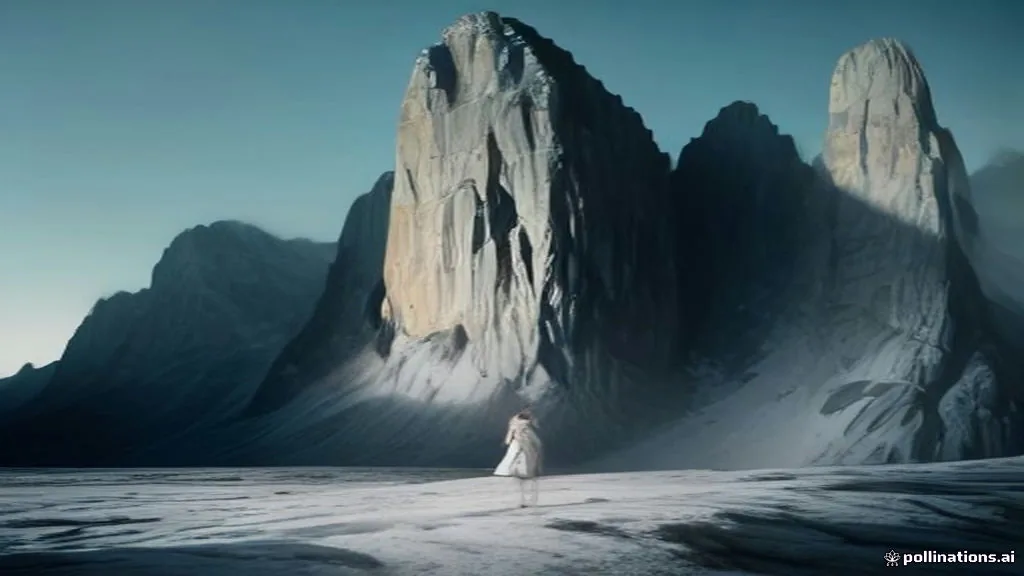
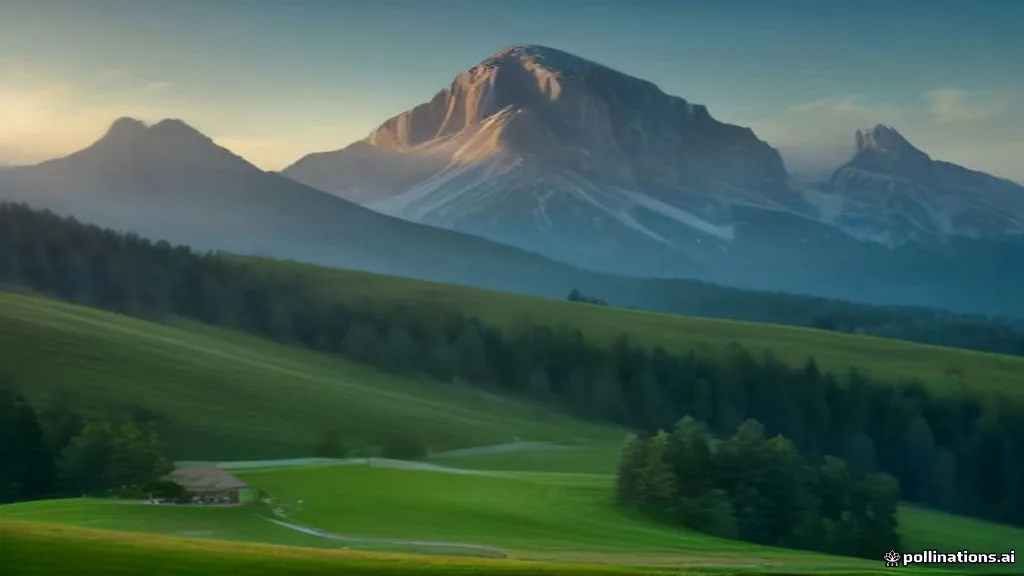
Walking among the ancient limestone pinnacles of the Dolomites calms mental vertigo by contrasting transient human anxieties against monumental geological time. The slow, rhythmic cadence of ascending high alpine trails grounds the autonomic nervous system and dissolves existential dizziness into quiet awe.
When you spend weeks confined to indoor spaces and staring at glowing glass screens, your visual field shrinks into a narrow tunnel.
This chronic visual narrowing signals to the brain that you are under constant scrutiny. Your nervous system remains on silent edge.
In contrast, stepping onto a high-altitude mountain path immediately demands your presence. The uneven scree underfoot requires conscious, measured footsteps.
The physical act of placing one foot deliberately in front of the other creates a grounding rhythm.
With every slow breath of crisp, thinning air, the mental vertigo that once clouded your thoughts begins to settle like dust after a storm.
The Pale Mountains as a Mirror: Ancient Coral Reefs and Deep Geological Time
The unique power of the Dolomites lies in their silent geological biography.
More than two hundred million years ago, during the Triassic era, these dramatic vertical towers were living coral reefs submerged beneath the tropical Tethys Ocean.
Over millennia, titanic tectonic collisions lifted these ancient marine sediments over nine thousand feet into the sky, carving pale limestone spires that glow soft rose and honey at sunrise.
When you walk slowly beneath these monumental pale cliffs, your internal barometer undergoes a quiet, irreversible shift.
Your current career worries, unread notifications, and social anxieties are barely a flicker against two hundred million years of silent stone.
The mountain does not hurry, yet everything is accomplished.
| Dimension | The Hurried Modern Mind | The High Altitude Dolomite Mind |
|---|---|---|
| Visual Field | Narrow screen tunnel vision, chronic eye strain | Panoramic horizon gaze, restful soft fascination |
| Somatic Pace | Frantic multi-tasking, shallow thoracic breathing | Deliberate step-by-step cadence, rhythmic airflow |
| Perceived Scale | Daily friction feels existential and overwhelming | Human worries soften against ancient geological time |
| Nervous System | Persistent sympathetic arousal, mental vertigo | Deep parasympathetic ease, quiet unshakeable calm |
Cognitive scientists describe this phenomenon as the profound mental reset triggered by natural awe.
When the human mind encounters vastness that transcends its existing mental models, the default mode network—the neural hub responsible for self-rumination and narrative anxiety—dials down its volume.
You are no longer the frantic center of an overwhelming universe. You are simply a quiet guest wandering across ancient earth.
Three Quiet Practices to Embody Alpine Groundedness
You do not need to stand physically in northern Italy to invite this restorative alpine stillness into your daily routine.
The wisdom of high-altitude walking can be woven into everyday life through three simple, unhurried micro-actions:
✦ The Geological Anchor: When an urgent problem triggers panic, close your eyes for thirty seconds. Picture a silent limestone peak standing undisturbed through centuries of rain, wind, and winter snow. Remind yourself gently that what feels catastrophic this morning will be forgotten in ten years.
✦ The Rhythmic Breath-Step Cadence: During your daily walk, intentionally match your physical stride to your breath. Inhale smoothly for two gentle paces, then exhale softly for three paces. This subtle prolongation of your exhale activates the vagus nerve and anchors a racing mind back into the physical body.
✦ The Panoramic Horizon Rest: Step outdoors or look through an open window once every afternoon. Consciously soften your gaze and look as far into the distance as possible for three minutes. Expanding your peripheral vision automatically releases the neurological tension held in your ocular muscles.
“The pale limestone towers of the Dolomites do not rush to prove their height. They have stood in quiet majesty for hundreds of millions of years, waiting patiently for the hurried human soul to remember how to breathe.”
🌿 The Gentle Takeaway
True peace is not found by running faster to catch up with an accelerated world. It is discovered by matching your internal pace to the slow, enduring rhythm of the earth.
Quiet Answers for Contemplative Walkers
Mindful Reflection Notice
The reflections shared here are intended for emotional restoration, contemplative living, and general mindfulness. If you experience persistent, severe dizziness, balance disorders, or clinical anxiety, please seek guidance from a qualified healthcare practitioner. Always check weather conditions, trail ratings, and personal physical readiness before undertaking high alpine hikes.