
If you spend days navigating central Tokyo, your nervous system begins to vibrate with electric fatigue. The towering skyscrapers of Shinjuku and the relentless crowds of Shibuya leave your senses dazzled yet depleted. Every surface gleams with polished chrome and digital prompts. You feel constant pressure to accelerate, consume, and document every flashing moment before […]
If you spend days navigating central Tokyo, your nervous system begins to vibrate with electric fatigue.
The towering skyscrapers of Shinjuku and the relentless crowds of Shibuya leave your senses dazzled yet depleted.
Every surface gleams with polished chrome and digital prompts.
You feel constant pressure to accelerate, consume, and document every flashing moment before it disappears.
Yet just four stops north of the neon core lies a historic haven where time moves to an entirely different frequency.
Stepping into the narrow alleys of Yanaka is like lowering your voice in an ancient, sunlit room.
Beyond the Neon Horizon: The Soft Landing into Old Tokyo
Embracing wabi sabi tokyo backstreets yanaka stillness offers modern travelers an antidote to hyper-stimulating city centers. Walking through preserved historic wooden neighborhoods allows the nervous system to settle, revealing how weathered materials and unhurried domestic routines cultivate emotional resilience and restorative presence.
Yanaka is one of the rare neighborhoods in Tokyo that miraculously survived both the 1923 Great Kanto Earthquake and the air raids of World War II.
Spared from destruction, it never underwent the high-rise redevelopment that swept the rest of the capital.
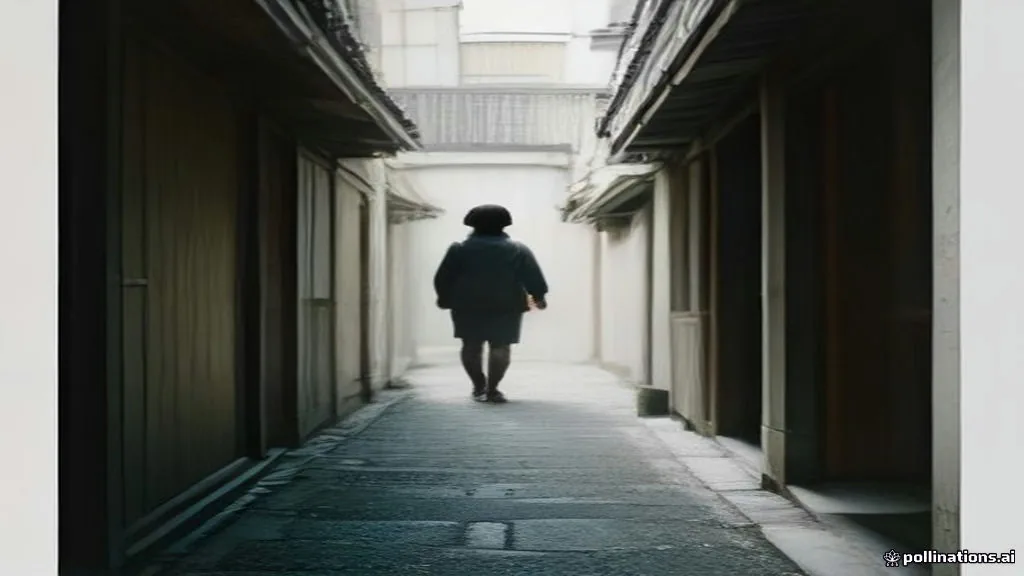
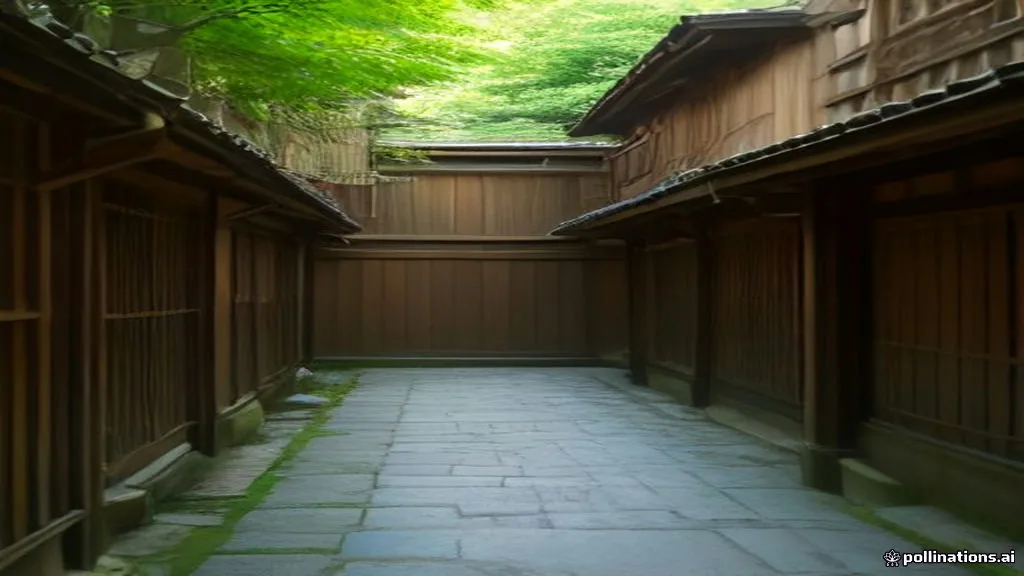
Here, the modern grid dissolves into an intimate labyrinth of winding residential alleys (roji) where cars cannot fit.
Two-story wooden merchant houses (machiya) lean gently toward one another, their dark cedar lattices casting soft shadows across sun-warmed stone.
Potted bonsai, trailing ivy, and ceramic planters spill effortlessly into the narrow street, turning private domestic care into a communal corridor of quiet life.
You do not hear the blare of traffic or digitized advertising chimes.
Instead, the acoustic space fills with the gentle sweep of a bamboo broom on stone, the clink of a porcelain cup behind paper screens, and the quiet breathing room of an older world.

The Architecture of Wabi-Sabi: Surviving Without Shouting
We are often taught that to survive, we must be relentlessly productive, invulnerable, and continually shiny and new.
We exhaust ourselves trying to hide our fatigue, our aging, and the natural wear of living.
Yanaka offers a quiet architectural rebuke to this exhausting illusion.
The soul of old wooden Tokyo is steeped in wabi-sabi—the ancient philosophy that discovers sacred beauty in things that are impermanent, imperfect, and weathered by time.
“Wabi-sabi nurtures all that is simple, unpretentious, and subdued. It does not demand attention through grandiosity; it endures quietly through patience, acceptance, and the quiet dignity of honest wear.”
The wooden eaves of Yanaka are dark and grooved from a century of typhoons, summer heat, and winter snow.
The clay-and-tile temple walls (tsujibei) that line the alleys bear the visible repair marks of generational hands.
These buildings did not endure by fighting nature; they survived by being flexible, humble, and porous to the seasons.
When you walk past a century-old wooden lattice, you realize that your own wear and tear is not a defect to be hidden.
Your fatigue and your scars are simply proof of an honest life that has weathered the storms of living.
The Contrast: Neon Velocity vs. Wabi-Sabi Stillness
To understand why Yanaka soothes an overworked mind, consider how its environment alters our nervous system:
| Experiential Dimension | The Frenetic Neon Metropolis (Shibuya/Shinjuku) | The Wabi-Sabi Backstreets (Yanaka Alleys) |
|---|---|---|
| Architectural Scale | Monolithic steel and reflective plate glass towers | Intimate two-story timber machiya and low eaves |
| Sensory Atmosphere | Blinking neon, loud PA chimes, high cognitive noise | Dappled sunlight, fragrant cedar, birdsong, breeze |
| Pacing & Movement | Rapid, optimized, tunnel-vision commuting | Slow wandering, paused footsteps, natural breathing |
| Stance on Imperfection | Constant artificial renewal and pristine polish | Honored patina, weathered timber, visible repair |
| Nervous System Impact | Chronic sympathetic vigilance and sensory overload | Parasympathetic relaxation and sensory reset |
3 Gentle Micro-Practices to Cultivate Wabi-Sabi Stillness
You do not have to live in historic Tokyo to integrate the grounding wisdom of Yanaka into your life.
You can practice the art of unhurried ordinary survival through three small perceptual shifts:
✦ The Roji Flânerie (Reclaiming Unscheduled Paths): Choose one walk this week where you intentionally turn off digital navigation. Allow yourself to wander down quiet residential side streets, matching your walking pace to your natural outbreath while letting your attention rest on modest architectural textures.
✦ The Patina Contemplation (Honoring Personal Wear): When feelings of inadequacy arise regarding your energy or career pace, reflect on the weathered cedar beams of Yanaka. Remind yourself that the beauty of a soul lies in its weathered resilience, not in an untouched surface.
✦ The Humble Daily Rhythm (Finding Sacredness in Modest Care): Notice how Yanaka elders water a single bonsai or wipe down a wooden counter with unhurried devotion. Elevate one ordinary daily task—such as brewing morning tea—into a slow ritual of quiet care.
✦ DECODING TAKEAWAY: THE YANAKA PRINCIPLE OF ORDINARY SURVIVAL
• Inner State: Liberating the mind from the pressure of flawless public performance.
• Somatic Mechanism: Organic timber textures and human-scaled spaces calm autonomic arousal.
• Gentle Practice: Embrace domestic simplicity and allow daily routines to unfold at an unforced pace.
Cultural Heritage & Mindful Exploration Notice
Yanaka is an active, cherished residential community where generations of families live and worship.
When exploring these historic backstreets, travelers are invited to move with mindful courtesy: keep voices low near temples, respect private doorways, and take all litter with you.
By walking softly and honoring local quietude, we help protect the serene dignity of old wooden Tokyo.
Frequently Asked Questions About Yanaka and Wabi-Sabi
What makes Yanaka so different from the rest of modern Tokyo?
Yanaka is one of the few historic shitamachi districts that escaped both the 1923 earthquake and wartime bombing. It preserves authentic timber architecture, narrow alleys (roji), over seventy temples, and an unhurried community pace absent in commercial centers.
How does experiencing wabi-sabi architecture reduce stress and burnout?
Modern urban environments bombard the senses with high-contrast light and artificial noise. The organic textures, weathered wood, and subdued earth tones of wabi-sabi architecture signal biological safety to the brain, activating the parasympathetic nervous system and reducing mental strain.
What is the best time of day to take a quiet mindful walk in Yanaka?
Early morning between 7:30 AM and 9:30 AM offers the most tranquil experience. Temple courtyards are quiet, local shopkeepers are gently sweeping doorsteps, and soft morning light casts long, contemplative shadows across stone paths.