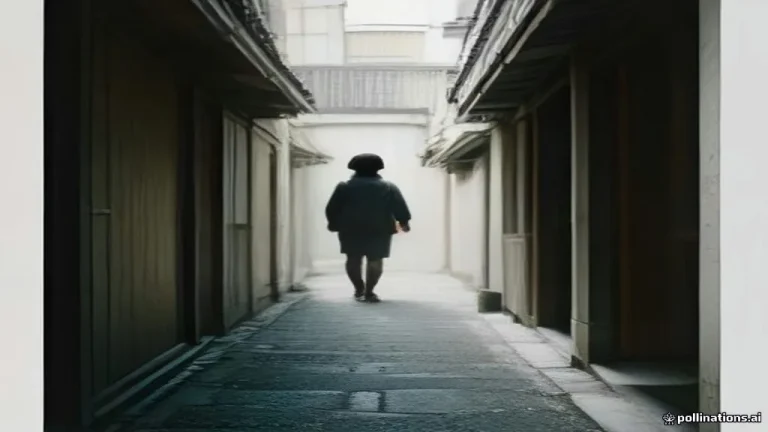






There is a quiet dishonesty at the heart of modern life: we live as though we have infinite time. We wake up, glance at crowded calendars, and hurry through our mornings under the unspoken assumption that tomorrow is guaranteed. Yet behind that haste lies an unexamined dread of mortality. We avoid speaking of death, sequestering […]
There is a quiet dishonesty at the heart of modern life: we live as though we have infinite time.
We wake up, glance at crowded calendars, and hurry through our mornings under the unspoken assumption that tomorrow is guaranteed.
Yet behind that haste lies an unexamined dread of mortality. We avoid speaking of death, sequestering it behind hospital doors and burying it under digital distraction.
In trying to outrun the end, we inadvertently drain our days of their sacred weight.
Ancient Stoic philosophers kept a curious object upon their desks: a carved skull, an hourglass, or a simple unadorned stone.
This physical reminder—known as Memento Mori—was never intended to terrify. Instead, it served as a gentle compass, returning wandering minds to the singular wonder of the present breath.
1. The Illusion of Immortality: Why Denying Death Ruins Living
Denying the reality of death does not grant immortality; it merely sacrifices our capacity for presence. Believing we have endless tomorrows, we postpone honest conversations, hoard petty resentments, and squander hours on trivial digital noise.
The Roman Stoic Seneca captured this tragic self-deception in his essay On the Shortness of Life.
Seneca observed that humans act like mortals in all they fear, yet behave like immortals in all they desire.
We fret over transient inconveniences, yet spend our limited lifespans as if our reservoir of days were inexhaustible.
When operating under the illusion of infinite time, small irritations balloon into catastrophes.
A delayed commute or an awkward email easily consumes an entire afternoon of emotional energy.

By contrasting our trivial anxieties with the quiet permanence of death, the mind snaps into clear perspective.
Much like learning to release what lies outside our control in the Stoic dichotomy of control, remembering our mortality strips away artificial weight from things that do not matter.
2. Memento Mori: The Magnifying Glass of Ordinary Joy
In his private journal, Emperor Marcus Aurelius inscribed a quiet morning reminder to himself: “You could leave life right now. Let that determine what you do and say and think.”
Far from being morbid, this thought acts as a magnifying glass for the everyday miracles we habitually overlook.
Consider why a diamond commands reverence while common roadside gravel is disregarded: rarity alone confers value.
If our days stretched endlessly across a flat eternity, no single sunrise could ever stir the heart to awe.
It is the fragile, unrepeatable boundary of human existence that renders a warm cup of morning tea so breathtakingly precious.
When you understand that this exact morning light will never fall across your desk again, routine dissolves into reverence.
To cultivate this awareness without slipping into gloom, it helps to distinguish morbid fear from philosophical mindfulness.
| Dimension | Morbid Dread (Fear) | Stoic Mindfulness of Death |
|---|---|---|
| Core Orientation | Terrified paralysis; obsessing over physical decline and the loss of personal control. | Quiet presence; viewing mortality as natural, inevitable, and clarifying. |
| Daily Impact | Chronic anxiety; manic distraction to escape the thought of the grave. | Deep gratitude; radiant appreciation for ordinary moments and simple comforts. |
| Relationship View | Clinging possessiveness or withdrawal; fear of abandonment and painful grief. | Radical patience; letting go of grudges and cherishing people while they are here. |

Death does not diminish the melody of life; it is the silent pause between notes that allows the music to be heard.
Just as wandering unhurried through quiet stone streets in the meditative practice of flânerie opens the soul to grace, walking beside mortality restores poetry to ordinary living.
3. The 4-Step Daily Practice of Befriending Your Mortality
Befriending mortality requires no dramatic gestures; it is an intimate habit woven into regular mornings.
Here is a gentle four-step cadence to anchor the wisdom of Memento Mori into your everyday sanctuary.
1. The Morning Borrowed Breath: As your eyes open at dawn, pause before reaching for any screen.
Place a hand upon your chest, feel your ribs expand, and acknowledge: “This morning is not an entitlement; it is a borrowed grace.”
2. The Deathbed Filter: When irritation flares over a work dispute or domestic chore, consult your future final hour.
Ask yourself calmly: “Will this petty slight matter when my chest draws its final breath?” If the answer is no, surrender it immediately.
3. Radical Forgiveness Before Sundown: Never allow someone you love to leave your home amidst unresolved bitterness.
Every farewell carries the quiet possibility of being the ultimate one; let kindness and warm peace be your default parting gift.
4. The Evening Surrender: When your head touches the pillow at night, imagine closing the ledger of an entire lifetime.
Whisper to the darkness: “I have lived my day.” If tomorrow greets you with sun, treat it as an unearned rebirth.
4. Frequently Asked Questions About Stoic Mindfulness of Death
Does meditating on death make you depressed or unmotivated?
Authentic Stoic reflection does the opposite. While morbid rumination generates dread, Memento Mori cuts through lethargy, instilling purposeful focus and boundless gratitude for being alive.
How is Memento Mori different from nihilism?
Nihilism concludes that because life ends in dust, nothing matters. Stoicism recognizes that because our time is finite, every choice, virtue, and loving interaction matters with infinite urgency.
Do I need a real skull on my desk to practice this?
Not at all. A simple hourglass, a withered leaf pressed between journal pages, or a brief 30-second silent morning reflection serves the same sacred purpose of grounding your attention in the present moment.
Conclusion: The Fragile Radiance of Today
The quiet skull upon the philosopher’s desk does not sneer at human joy; it blesses it.
It reminds us that our earthly journey is a fleeting guest appearance in an ancient, unfolding cosmos.
Lift your gaze from your worries and look out through the window. The light is filtering softly through the trees, your tea is warm, and you are still breathing.
Do not wait for a crisis to realize how astonishing this quiet morning truly is. Cherish it completely, without haste, and with a heart at peace.