
We often pack our bags and cross oceans in pursuit of rest, only to return home more exhausted than when we departed. Our modern itineraries have quietly transformed into another relentless performance. We wake to early hotel alarms, rush through crowded shuttle lines, and compete with hundreds of strangers for an unobstructed view of a […]
We often pack our bags and cross oceans in pursuit of rest, only to return home more exhausted than when we departed.
Our modern itineraries have quietly transformed into another relentless performance. We wake to early hotel alarms, rush through crowded shuttle lines, and compete with hundreds of strangers for an unobstructed view of a landmark.
At some point between checking the time and framing a hurried photo, a subtle exhaustion settles into the chest.
You realize you are not actually arriving anywhere. You are merely relocating your chronic urgency to a prettier backdrop.
True restoration requires something entirely different from consumption. It demands that we stop moving long enough for our scattered thoughts to catch up with our physical bodies.
There is a quiet corner in northwestern Slovenia where this restorative slowing happens almost without effort.
At six o’clock in the morning, before tour buses arrive from Ljubljana, Lake Bled belongs entirely to the morning mist and the emerald water.
1. The Medicine of Emerald Water: How Stillness Quiets an Agitated Mind
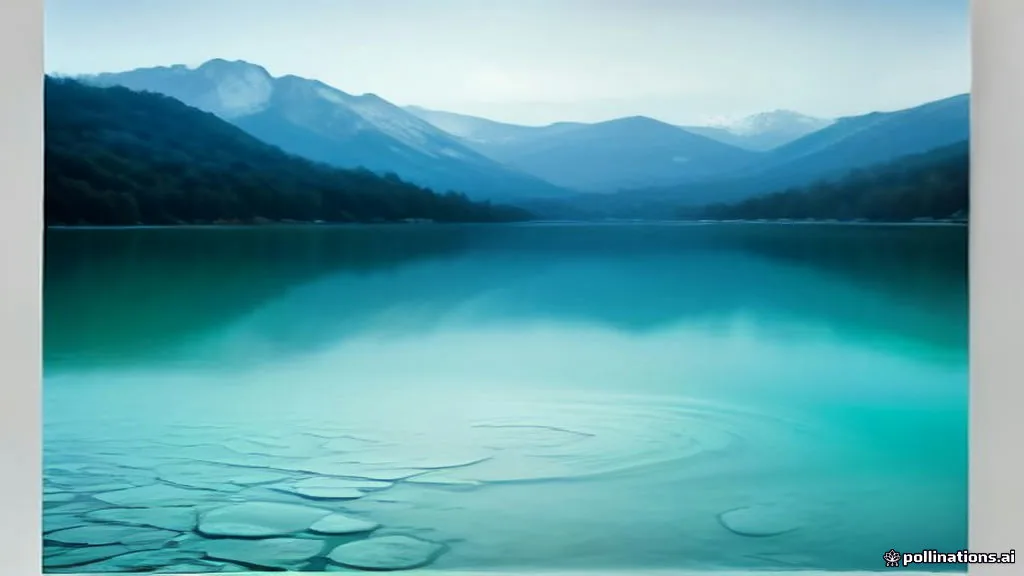
The glassy surface of Lake Bled serves as a natural restorative mirror for an overstimulated nervous system. Resting quietly beside this glacial alpine basin gently interrupts the brain’s chronic rumination cycle, lowering heart rate and shifting emotional chemistry from constant vigilance toward contemplative peace.
Marine biologist Dr. Wallace J. Nichols called this state Blue Mind—the mild meditative calm that washes over the human brain when we rest near water.
Water does not demand your productivity. It does not ask you to resolve a crisis, defend your boundaries, or justify your existence.
The emerald lake simply rests inside its glacial cradle, reflecting whatever sky is given to it.
When dawn sunlight touches the water, gentle ripples spread across the surface like rings of letting go.
Watching these soft waves lap against the shore reminds your nervous system of a forgotten truth: still waters run deep precisely because they do not rush to prove their depth.
2. Rushed Sightseeing vs. Mindful Water Immersion
Most travelers experience Lake Bled through a lens of hurried conquest. They sprint around the shoreline path, climb to the medieval cliffside castle in midday heat, and immediately post their digital proof to a fleeting feed.
Yet the profound gift of this landscape cannot be absorbed while running.
When you trade the pressure of seeing everything for the grace of feeling one moment completely, the entire journey shifts from sightseeing to emotional homecoming.
| Dimension | Rushed Sightseeing | Mindful Water Immersion |
|---|---|---|
| ✦ Primary Motivation | Collecting photographic proof and checking off iconic spots. | Quieting inner noise and allowing the nervous system to rest. |
| ✦ Pacing | Fast-paced walking, frequent time checks, and tightly packed schedules. | Slow, unhurried presence with unstructured hours for reflection. |
| ✦ Sensory Focus | Narrowly focused on the smartphone screen and the perfect angle. | Fully open to ambient sounds: lapping water, rustling pine, distant bells. |
| ✦ Internal State | Subtle anxiety about missing out or falling behind the itinerary. | Deep somatic ease and emotional stillness anchored in the present. |
When you sit quietly on a wooden bench beneath towering spruce trees, you are not wasting time.
You are giving your overworked mind permission to lay down its heavy armor.
3. Three Mindful Rituals for Alpine Stillness at Lake Bled
To touch the authentic peace of Lake Bled, one must abandon the urge to collect sights and embrace intentional practices of stillness.
✦ The Dawn Shoreline Sit: Before the town stirs, walk down to the western shore near Zaka as the first sunlight crests the Karavanke mountains. Sit in complete silence for twenty minutes and watch the morning mist rise from the emerald water like exhaled breath.
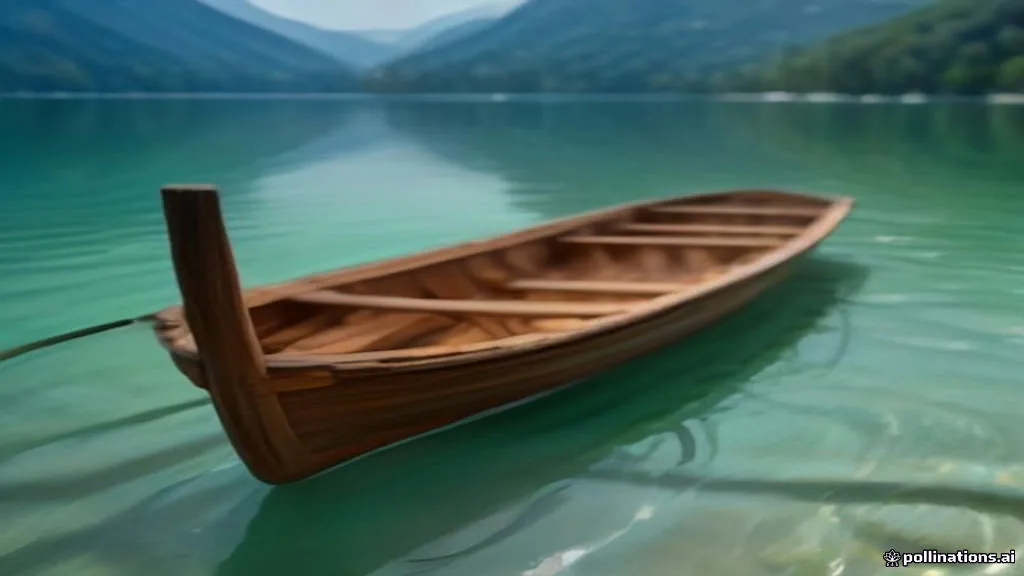
✦ The Rhythm of the Wooden Oar: When crossing to the tiny island, choose a traditional wooden pletna boat rowed by a single oarsman. Listen closely to the hypnotic rhythm of wooden oars dipping into the glacial water, synchronizing your breath with every measured stroke.
✦ The Device-Free Circumambulation: Walk the gentle six-kilometer trail that encircles the lake without a phone in your hand. Let your senses register the rich scent of damp alpine soil, the cool breeze moving across the water, and the distant chiming of the wishing bell.
Water never hurries to reach the sea, yet no mountain can stop its quiet flow. When you sit beside still alpine waters, you remember that your peace does not depend on doing more, but on surrendering to what is already here.
🌿 The Gentle Takeaway
You do not need to journey to Slovenia today to reclaim this stillness. Today, find five minutes to gaze at water—even a cup of warm tea or rain against your window. Let your thoughts settle like silt at the bottom of a quiet mountain lake.
4. FAQ: Mindful Solitude at Lake Bled
What is the most peaceful time of day to experience Lake Bled?
The quietest hours are between dawn and 8:30 AM, especially in early spring or late autumn. During this window, the water is glassy and undisturbed by motorized traffic, allowing for deep, contemplative quiet along the shorelines.
Why is the traditional pletna boat considered a mindful experience?
Unlike modern motorized ferries, the pletna has been propelled by skilled oarsmen using the special stehruder standing technique since the 18th century. The gentle, silent glide across the water eliminates acoustic pollution and encourages quiet reflection.
How can I preserve the tranquil mindset of Lake Bled after returning home?
Anchor the sensory memory of still emerald water in your mind. Whenever modern work feels frantic or overwhelmed by digital demands, close your eyes for sixty seconds and visualize the steady, unhurried ripples of the alpine basin.