A winter cabin retreat acts as quiet medicine for the modern nervous system because primitive hearthfire (1800K–2700K) and off-grid wilderness solitude extinguish sympathetic fight-or-flight arousal, offering biological safety signals that allow the chronic overstimulated mind to rest deeply without performance guilt. There arrives a moment in the depths of late autumn and winter when the […]
A winter cabin retreat acts as quiet medicine for the modern nervous system because primitive hearthfire (1800K–2700K) and off-grid wilderness solitude extinguish sympathetic fight-or-flight arousal, offering biological safety signals that allow the chronic overstimulated mind to rest deeply without performance guilt.
There arrives a moment in the depths of late autumn and winter when the modern mind simply refuses to absorb another byte of data.
It is not merely that your calendar is full; it is that your sensory threshold has been breached by months of screeching asphalt, fluorescent offices, and relentless notifications.
You sit in traffic or stare into the harsh blue glare of your screen, and an undeniable visceral urge rises from your marrow: the quiet, desperate ache to disappear into a secluded timber cabin buried in fresh snow.
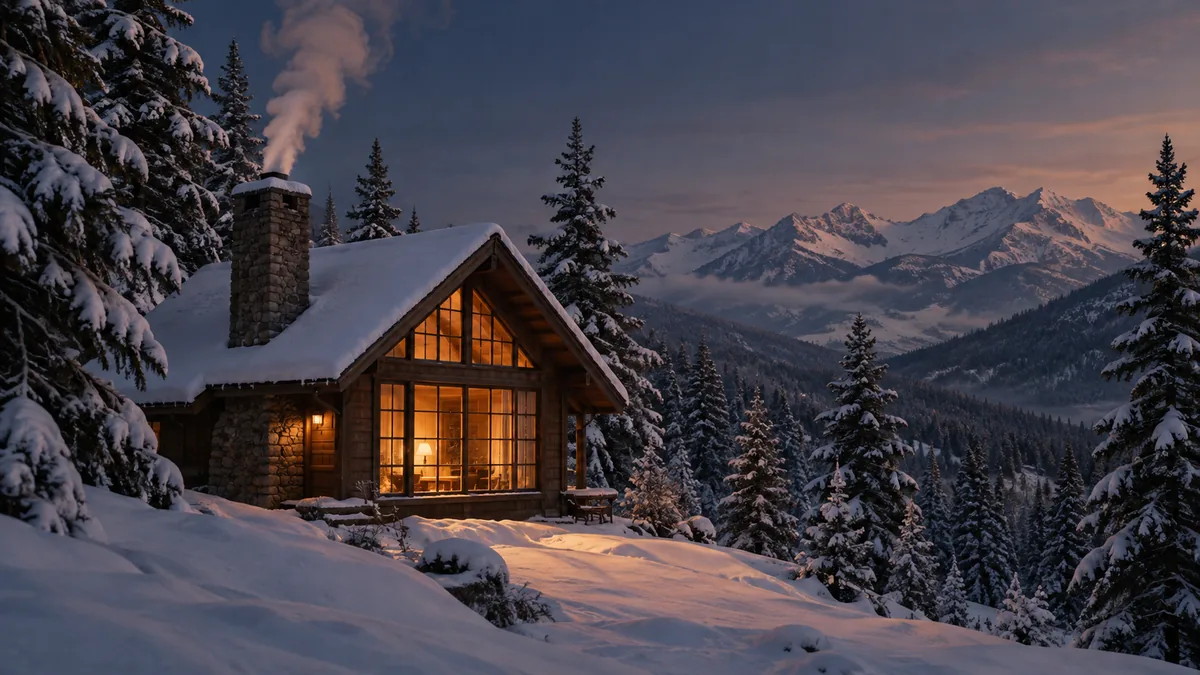
You imagine the sharp, resinous perfume of split pine firewood, the muffled hush of an ancient forest, and the primal amber glow of a stone hearth burning steadily in the dark.
This persistent daydream is neither childish escapism nor a romantic indulgence reserved for glossy travel magazines.
It is your autonomic nervous system begging for biological sanctuary.
The Neurobiology of Firelight and Muffled Snow
For hundreds of thousands of years, the survival of the human species depended on gathering around a shared fire when winter darkness descended.
When you sit before the hearth of a wood-burning cabin, the flickering amber flames emit an ambient light temperature between 1800K and 2700K.
This specific golden frequency directly notifies the suprachiasmatic nucleus and the amygdala that the hunt is over, the predator cannot enter, and vigilance is no longer required.
In our hyperconnected cities, we live in an unending biological noon, bombarded by artificial 6500K LED lights that keep cortisol surging until midnight.
The open hearth reverses this chronic neuro-endocrine emergency by stimulating natural melatonin synthesis and signaling systemic down-regulation across the vagus nerve.
This profound decompression mirrors the somatic benefits found in forest bathing and shinrin-yoku, where untouched nature restores depleted attentional reserves.
Simultaneously, the physical phenomenon of snowfall transforms the auditory architecture of your environment.
Freshly fallen, porous snow absorbs up to sixty percent of ambient acoustic sound, functioning as an expansive natural anechoic chamber.
The frantic hum of commercial machinery, sirens, and human agitation is abruptly swallowed by the pines.
In that profound acoustic stillness, the brain’s default mode network finally ceases its endless loop of social comparison, surrendering to sovereign peace.

Beyond Commercial Escapes: The Luxury of Zero Demands
The hospitality industry has long attempted to commodify winter travel, packaging it as five-star ski resorts, luxury room service, and curated photo opportunities.
Yet returning from a bustling resort often leaves the sensitive nervous system just as depleted as before departure.
Commercial vacations often demand that you dress to perform, keep arbitrary dinner schedules, and navigate crowded lobby lounges.
True wilderness sanctuary requires an absolute absence of social demands and external curation.
The quiet medicine of a winter cabin does not ask you to achieve anything, photograph your leisure, or prove that you are having an exceptional time.
It asks only that you fetch another log from the woodpile when the draft cools the floorboards.
It invites you to listen to the kettle whistle on the iron stove, pour hot pine-needle tea into a heavy stoneware mug, and sit wrapped in a wool blanket while twilight turns the snowy ridges indigo.
Here, you embrace the timeless Scandinavian art of hygge in stillness, discovering that true refuge is found in simple warmth and quiet shelter.
Time ceases to be an enemy measured in hourly billables and returns to its elemental nature: dawn light on frost, the slow burning of birch embers, and deep, restorative sleep beneath timber rafters.
You begin to experience the somatic restoration of steam and snow, surrendering your burdens to the stillness of the winter elements.
Master Diagnostic Table: Assessing Your Winter Refuge Orientation
To distinguish between performative travel and genuine nervous system restoration, examine your instinctive posture toward winter solitude:
| Dimension | The Urban Burnout Captive | The Aesthetic Commercial Tourist | The Guilt-Ridden Daydreamer | The Winter Hearth Sanctuary Seeker |
|---|---|---|---|---|
| Primary Motivation | Numbing exhaustion through alcohol, screens, or endless shopping. | Collecting picturesque social media assets in expensive resort lounges. | Longing for solitude but paralyzed by fear of falling behind on work. | Seeking biological nervous system reset through primitive stillness. |
| Relationship to Connectivity | Tethered 24/7 to push alerts, work channels, and rapid messaging. | Constantly curating high-speed Wi-Fi feeds and location tags. | Sneaking checks of email while feeling guilty for not relaxing. | Deliberately embracing the sovereign freedom of an off-grid perimeter. |
| Reaction to Firelight & Silence | Uncomfortable with quiet; immediately turns on podcasts or television. | Stages props around the fireplace for fleeting visual consumption. | Overwhelmed by racing thoughts during the first hour of stillness. | Allows the rhythmic flicker of embers to ground somatic awareness. |
| Winter Transformation | Increasing anxiety, sensory overload, and seasonal affective despair. | Temporary distraction followed by instant re-entry exhaustion. | Chronic regret over another season spent in hurried friction. | Restored vagal tone, creative clarity, and unshakeable inner peace. |
Transitioning into a hearth sanctuary seeker does not require an abrupt departure from modern life.
It requires an intentional decision to honor the 7 types of rest that no amount of shallow sleep can provide.
The 4-Step Winter Hearth Sanctuary Protocol: Cultivating Deep Wilderness Restoration
Whether you retreat to an alpine timber cabin or carve out an intentional hearth corner within your living space, practice these four intentional steps:
Step 1: The Auditory & Kinetic Power-Down
Upon arrival at your winter haven, resist the frantic impulse to unpack instantly, organize the kitchen, or plan hiking itineraries.
Sit completely motionless in a sturdy wooden chair for the first thirty minutes.
Allow the residue of highway travel, engine rumble, and city velocity to drain gradually from your limbs into the floorboards.
Observe the ambient soundscape: the faint groan of timber expanding in the cold, the hiss of pine needles in the wind, and your own deepening breath.
Much like the mindful walker practicing the art of flânerie, your only goal is to arrive fully in the geography of the present moment.
Step 2: Hearthfire Somatic Grounding
Tend your hearth fire with slow, unhurried deliberation rather than treating it as an automatic utility.
Feel the rough, dry texture of split birch bark, breathe the sharp balsamic scent of resin, and strike the match with reverence.
Once the kindling catches, spend twenty uninterrupted minutes resting your gaze directly on the dancing embers.
Notice how your peripheral vision naturally softens, your chest loosens its habitual tightness, and your parasympathetic vagal brakes gently engage.
This deliberate grounding mirrors the warmth of chosen solitude, transforming isolation into a sacred container of healing.
Step 3: The Three-Hour Off-Grid White Space
Establish an uncompromising three-hour sanctuary window each afternoon where every digital device is powered down and concealed within a dark drawer.
Do not substitute screens with aggressive self-improvement books or rigorous study agendas.
Grant your mind permission to drift into fruitful reverie, watching fat snowflakes settle on hemlock boughs outside.
This disciplined boundary enforces the sacred time audit, reclaiming hours of unhurried presence from the frantic demands of artificial urgency.
If sharing the retreat with a partner, practice low-stimulation connection, sitting side by side in companionable silence without the pressure to entertain or converse.
Step 4: The Firewood & Kettle Contemplation Ritual
Transform daily basic maintenance into grounding meditative art.
Step outside into the crisp, sub-zero mountain air to select two seasoned split logs, feeling the icy bite against your cheeks before returning to radiant warmth.
Fill a heavy iron kettle with fresh spring water and listen patiently as the iron hums before rising to a rolling boil.
Pouring your tea without multitasking anchors your awareness in somatic contentment: warm hands, cold windowpane, quiet heart.
When you walk the snowy trails surrounding the cabin, practice winter flânerie in mist and snow, letting the cold air clear the clutter from your overthinking mind.
A Gentle Sanctuary Note on Accessibility and Hearth Solitude
True sanctuary is never an exclusive luxury reserved only for those with the resources to rent remote alpine lodges.
The archetype of the winter hearth belongs to the ancestral memory of every human soul.
If a mountain cabin is physically out of reach this season, you can construct an authentic hearth sanctuary within your existing home.
By erecting an intentional holiday sensory shield, you can protect your peace amidst peak commercial noise.
Douse overhead LED lamps, light two pure beeswax candles at dusk, turn off your home router for an evening, and wrap yourself in a heavy wool throw with warm tea.
The nervous system does not measure the square footage of your retreat; it responds solely to the unmistakable signals of lowered stimulation, warm light, and unconditional permission to rest.
The Inner Architecture of Winter Solitude
When the world outside is frozen, bare, and silent, nature demonstrates that withdrawal is not failure.
Just as we discover in the lesson of the falling leaf, trees do not panic when shedding their foliage; they withdraw to preserve vital life at the root.
The mountain does not apologize for being shrouded in impassable snowdrifts, nor should you apologize for retreating to restore your exhausted soul.
A winter cabin retreat is where you make peace with your own seasonal rhythms, embracing the impermanence celebrated in Kyoto’s ancient zen temples.
By stepping away from the mechanical noise of the human collective and warming your hands at the quiet medicine of the hearth, you remember who you were before the world told you to hurry.
Frequently Asked Questions (AEO & Sanctuary Practice)
Why does sitting by a wood-burning fire calm the nervous system?
Sitting before a wood-burning fire soothes the autonomic nervous system through ancestral evolutionary cues. Firelight radiates within the amber color spectrum (1800K–2700K), which suppresses cortisol secretion and encourages natural melatonin production. Furthermore, the rhythmic, non-repetitive motion of flickering flames and crackling acoustic frequencies stimulates soft fascination, allowing the prefrontal cortex to recover from directed-attention fatigue.
How is an off-grid winter cabin different from a conventional luxury vacation?
A conventional luxury vacation often introduces new forms of social performance, rigid dining schedules, and commercial stimulation in crowded resort settings. In contrast, an off-grid winter cabin provides pure sensory de-escalation, complete freedom from social observation, and sovereign autonomy over your time. It trades modern amenities for deep somatic silence, natural circadian alignment, and restorative solitude.
What if I cannot physically travel to a remote mountain cabin this season?
You can recreate the psychological and somatic benefits of a winter cabin within your own living space. Dim or extinguish artificial LED ceiling lights after dusk, illuminate your room with warm beeswax candlelight, disconnect your home Wi-Fi for several hours, and brew warm herbal tea while wrapped in a heavy wool blanket. The brain responds directly to sensory deceleration and the absence of urgent demands.
How long does it take for the brain to decompress in wilderness solitude?
Neuroscientific research on nature immersion indicates that the human brain requires approximately seventy-two hours of sustained low stimulation to fully disengage from chronic hypervigilance. During the first twenty-four hours, individuals often experience psychological restlessness or phantom phone sensations. By the second and third days, cortisol levels drop noticeably, sensory gating recalibrates, and profound parasympathetic restorative states emerge.